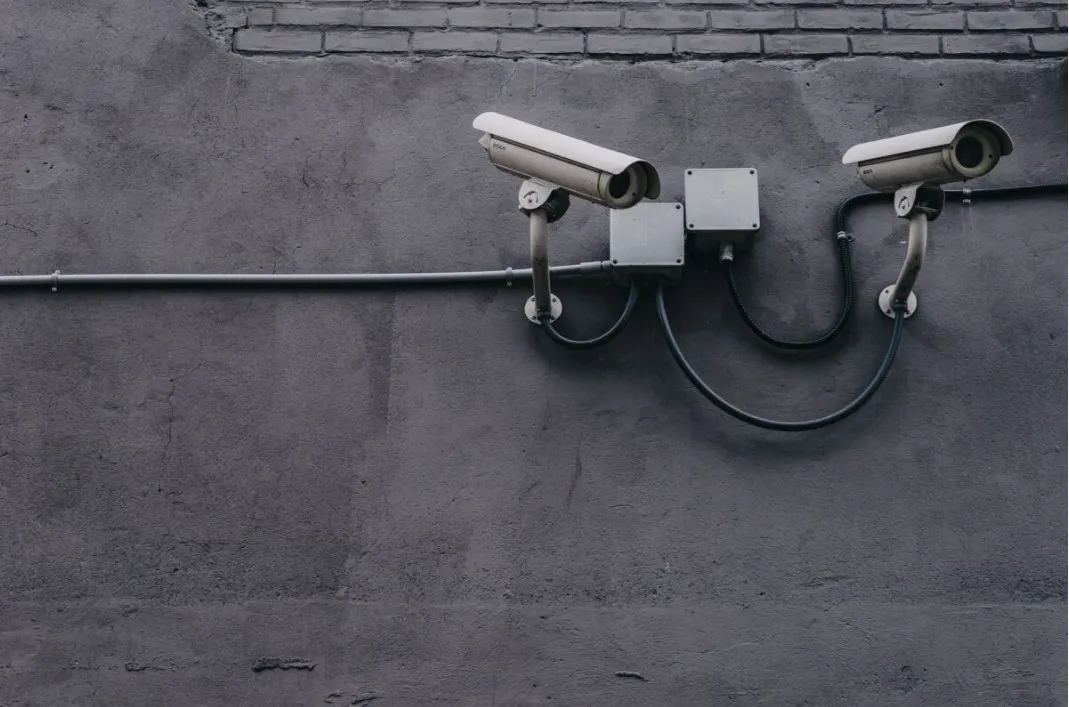
A supermarket outside Columbus installed 64 cameras to stop shoplifters. What the footage actually caught was something else: the exact minute shoppers abandoned carts in aisle 9, an empty shelf every Tuesday around 4 PM, a checkout line that tripled whenever a cashier stepped away for a break. None of that was the plan. Recording just kept looping every 30 days, erasing itself, starting fresh, proving nothing except that a camera had been present. Bring in a computer vision development company, though, and that same footage turns into a live read of what’s actually happening on the floor rather than a folder nobody opens until something goes wrong. Paid-for hardware, sitting there. Only the intelligence was missing.
None of this requires ripping out hardware and starting over. It means layering software onto lenses that already exist, teaching them to count, measure, and flag instead of just record. A firm that builds computer vision systems for a living, N-iX among them, usually starts with a single question: what should the cameras actually notice? Loss, dwell time, a shelf running low every Saturday around 2 PM. Retailers who skip that question tend to end up with analytics bolted onto operations as an afterthought, expensive and rarely used.
A Wall of Screens, Watching Nothing in Particular
Walk into the back office of almost any mid-sized retail chain and the setup looks the same. A bank of monitors, a bored guard rotating through 40 feeds, a hard drive quietly filling up with footage that will never be watched unless something already went wrong. Most stores have run that setup for 20 years. It works, in the narrow sense that a theft caught on tape can support a police report. Beyond that, it does almost nothing.
The cost of that setup rarely shows up on a single line item, which is part of why it survives budget reviews. Storage adds up. Compliance overhead around retention windows adds up. And the cameras themselves depreciate, sitting unused for 99% of the hours when nothing criminal happens, which is most of them. A retailer paying for coverage it barely uses is, in effect, funding an insurance policy and calling it security. Add a facial-recognition misstep or footage that should have been deleted months ago, and that same wall of monitors turns from a sunk cost into a legal one.
What the Same Lens Can Count
Something changes once those same feeds get handed to software built to interpret them rather than just store them. The trade has a name for it: video analytics, cameras trained to notice instead of merely record. A camera pointed at a shelf can flag when stock runs low before a customer ever spots the gap. One pointed at a checkout lane can catch the pattern of a scan that didn’t happen. One aimed down an aisle can build a heat map of where shoppers actually linger, which rarely matches where a planogram assumed they would.
A few of the use cases retailers are actually running right now:
- Queue-length detection that pages a manager before a line gets long enough to cost a sale
- Shelf and planogram monitoring that flags gaps or misplaced stock in near real time
- Self-checkout loss detection that catches ticket-switching and skipped scans as they happen, not on review
- Dwell-time and heat-map analysis showing which fixtures earn their floor space and which don’t
- Foot traffic counting tied to point-of-sale data, so conversion rate becomes a number instead of a guess
Deloitte’s global retail outlook for 2026 found that AI is moving out of pilot programs and into daily operations at most retailers, with 68% of surveyed executives expecting to adopt agentic AI tools within the next two years. The money backing that shift is not small, either: computer vision spending built specifically for retail was valued at $1.66 billion in 2024 and is projected to climb to $12.56 billion by 2033 — a 25.4% annual growth rate that outpaces most other retail technology categories, according to Grand View Research.
Theft numbers are moving, too. Shoplifting incidents fell 12.4%, and merchandise theft losses dropped 8.1% in 2025 compared with the year before, a decline WWD reported followed a broad push by retailers to shore up security measures. Those improvements came from better questions asked of footage that had been sitting there all along. A computer vision development agency earns its fee right here, translating raw pixels into something a store manager can act on before a shift ends, rather than a report someone reads a week later.
Getting the Rollout Right
Ambition kills more of these projects than the technology does. Almost always. A chain that tries to solve theft, staffing, layout, and inventory all at once usually ends up with a system nobody trusts and nobody uses. The retailers who get value fast narrow down to the problem costing the most money and prove it works at 3 to 5 stores before touching the rest of the fleet.
Existing hardware matters more than people assume going in. Cameras already mounted, already cabled, already approved by facilities save months of procurement that would otherwise eat the budget before a single model gets trained. What actually needs building is the pipeline behind the lens: labeled training data, edge processing where latency matters, and a dashboard someone on staff is actually assigned to check. Wiring that pipeline into point-of-sale and inventory systems is what turns an isolated alert into a number a regional manager actually reads on a Monday morning.
Privacy has to be designed in from the start, not patched on after a complaint. Anonymized tracking, clear retention limits, and signage that tells shoppers what the cameras do now, not what they did 5 years ago, keep a retailer out of regulatory trouble and, just as important, keep customers from feeling watched in a way that damages trust. A computer vision development firm that has shipped this kind of system before has usually hit these walls once already, which tends to be worth more than any feature list.
Final Word
The cameras were fine. Most stores already had the hardware; they just had no automated way to parse what it recorded every single day. Once a retailer views its security grid as a data asset instead of a liability, the real picture comes into focus — where customers linger, which shelves go bare, and exactly how shrinkage happens. Bridging that gap isn’t a matter of luck; it takes specialized development.